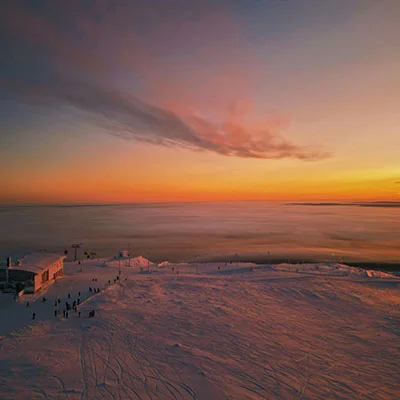
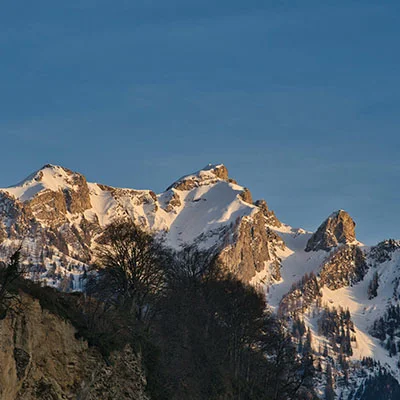
The first thing you notice is the sound. Or perhaps, the profound silence. A muffled, crystalline quiet, broken only by the soft crunch of snow underfoot and the distant, joyful shrieks from the Songhua River ice slides. Then, the cold arrives—not as a temperature, but as a presence. It nips at your
So, you’ve booked your tickets to the Harbin Ice and Snow Festival. Your feed is filled with dazzling images of crystalline castles, towering snow sculptures, and the glowing Ice Lantern Show. The excitement is real. But then, a sobering thought creeps in: you’re willingly traveling to a place where
So, you’ve booked your ticket. The Instagram feed filled with glittering ice castles and the allure of the world’s largest ice festival finally got to you. As a Shanghai native, you’ve mastered navigating the humid summers and the damp, bone-chilling *dongtian* of the Huangpu. You think you understa
Everyone knows the postcard version of Harbin. It’s the city that transforms each winter into a glittering, frozen fairy tale, where the Ice and Snow World rises like a crystalline palace and the Songhua River becomes a playground for ice slides and snowmobiles. For decades, this has been the magnet
The very name Harbin conjures images of a frozen fairy tale. The glittering Ice and Snow World, the majestic Saint Sophia Cathedral dusted with snow, the lively chaos of Zhongyang Street—it’s a winter wonderland that draws adventurers from across the globe. But let’s be honest: traveling in a city w
For the discerning senior history enthusiast, a city like Harbin presents a fascinating paradox. Globally celebrated for its Ice and Snow Festival—a dazzling, if ephemeral, spectacle of modern artistry—the city’s soul is etched in stone, brick, and memory, telling a century-long saga of clash, coexi
The story of Harbin is often told in ice. It’s a narrative of glittering palaces, frozen rivers, and a winter carnival that draws millions. But beneath the frost, there is another city—one built of steel, brick, and steam. This is the city of forgotten industrial sites, the silent factories and rust
Harbin. The name instantly conjures images of a frozen wonderland—the glittering Ice and Snow World, the majestic ice sculptures of Sun Island, the crunch of snow underfoot on Central Street. For decades, the city has brilliantly marketed itself as China’s winter capital, a must-visit destination fo
For decades, the narrative of Harbin travel was singular, magnificent, and frozen solid. It orbited around the Ice and Snow Festival, a pilgrimage to see crystalline castles under colored lights, a dash across the frozen Songhua River, and perhaps a stay in a large, centrally-heated international ch
The first of May dawns in Harbin not just with spring light, but with a palpable, buzzing energy. The Labor Day holiday, a five-day golden window in China’s calendar, transforms this northern metropolis. The question on every traveler’s mind—and a hot debate on social media—is simple: are the legend
Harbin, the capital of Heilongjiang province, is often dubbed the "Ice City" for its legendary winters and spectacular Ice and Snow Festival. While its frozen wonders attract thrill-seeking younger crowds, Harbin holds a wealth of experiences perfectly suited for senior travelers. The city offers a
Forget what you know about Harbin. Beyond the glittering Ice and Snow World and the echoes of its Russian past lies a deeper, more resonant heartbeat. This is a city where wellness is woven into the very fabric of its long, cold winters and vibrant culture. For two days, we step away from the touris
Let’s be brutally honest for a second: your everyday winter coat is not going to cut it in Harbin. The moment you step off the plane or train into that first blast of -25°C (-13°F) air, you’ll understand. This isn’t just cold; it’s a Siberian-front, bone-deep, see-your-breath-freeze-instantly kind o
When you think of Harbin, the first images that likely spring to mind are the majestic Ice and Snow Festival sculptures, the historical architecture of Saint Sophia Cathedral, or the savory aroma of Russian-inspired cuisine. It’s a city synonymous with winter wonder. But as the sub-zero sun sets and
The narrative of Harbin is often written in ice and snow, in the onion domes of Saint Sophia, and the smoky aroma of chuan'r on a cold night. It’s a city celebrated for its European bones and its winter skin. But I wanted to read a different text, to trace the quieter, enduring lines of faith that h
For decades, Harbin has been synonymous with one thing: winter. The glittering Ice and Snow Festival draws millions, painting the city as a kingdom of crystalline castles and frozen rivers. But what happens when the thaw comes? A secret unfolds. Spring in Harbin is not merely an interlude; it’s a re
The very idea seems to defy logic. Paragliding, an activity synonymous with sun-drenched alpine meadows and warm thermal breezes, finding its home in Harbin—a city famous for turning into a kingdom of ice and snow. Yet, this is precisely where adventure tourism is soaring to new, literally chilling
The name Harbin conjures images of a winter wonderland: glittering ice sculptures, frosted Russian domes, and steaming bowls of hearty stew. But when the deep freeze thaws into the balmy, vibrant months, the city reveals another, often overlooked, personality. It becomes a place of endless summer ev
The majestic Songhua River, once frozen solid for winter festivals, now welcomes a different kind of vessel from late spring to early autumn: massive international cruise ships. Harbin, long celebrated as the "Ice City" for its legendary winter wonders, is rapidly emerging as a pivotal cruise stopov
The enchanting city of Harbin, a jewel of Northeast China, beckons travelers with its world-famous Ice and Snow Festival, stunning Russian architecture, and a vibrant cultural tapestry. For a growing number of visitors and locals alike, the ideal trip now includes a beloved four-legged friend. Wheth